Worn Metal Returned to a Workable, Finished State
Metal restoration in Anamosa for rusted, chipped, or faded components where refinishing is more practical than replacement
A rusted railing, a faded equipment part, or a chipped automotive piece presents a clear decision point: replace the item or restore it. For metal components that were built to last but have lost their protective finish, Iron Hide's metal restoration service addresses the surface degradation rather than the underlying structure—stripping old coatings, removing rust and oxidation, preparing the surface properly, and applying a new protective finish that extends the useful life of the piece. The result is a component that is functionally sound and visually renewed rather than discarded.
Restoration begins with assessment of what the piece is, what it has been through, and what finish it carries—old powder coat, paint, primer, or bare oxidized metal all require different preparation approaches before a new coating will adhere correctly. Sandblasting removes layers that chemical stripping alone cannot fully address, bringing the metal back to a clean surface profile. From that point, the customer can choose to match the original appearance or take the restoration as an opportunity to change the color or finish entirely.
Send photos of the item to Iron Hide to discuss what the restoration process involves and get a quote based on its current condition.
The Difference Between Restoration and a Coat Over Old Finish
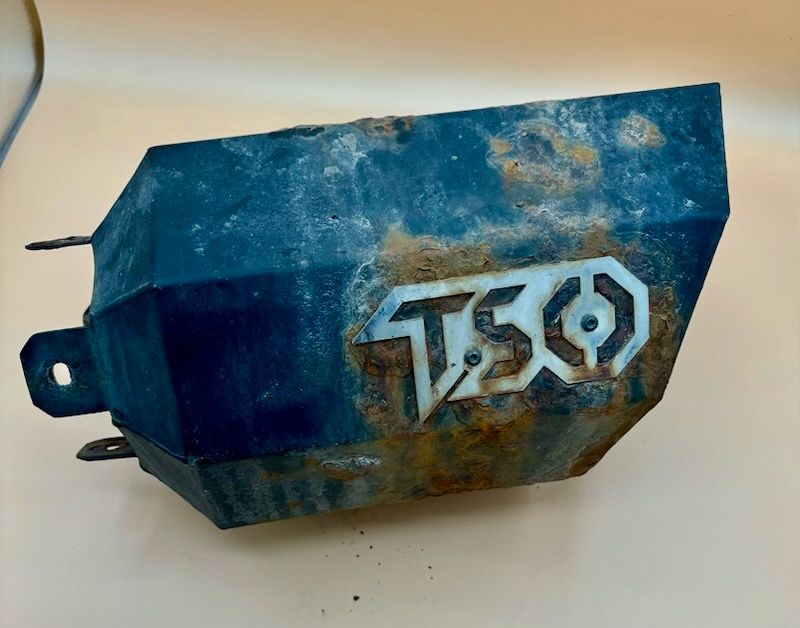
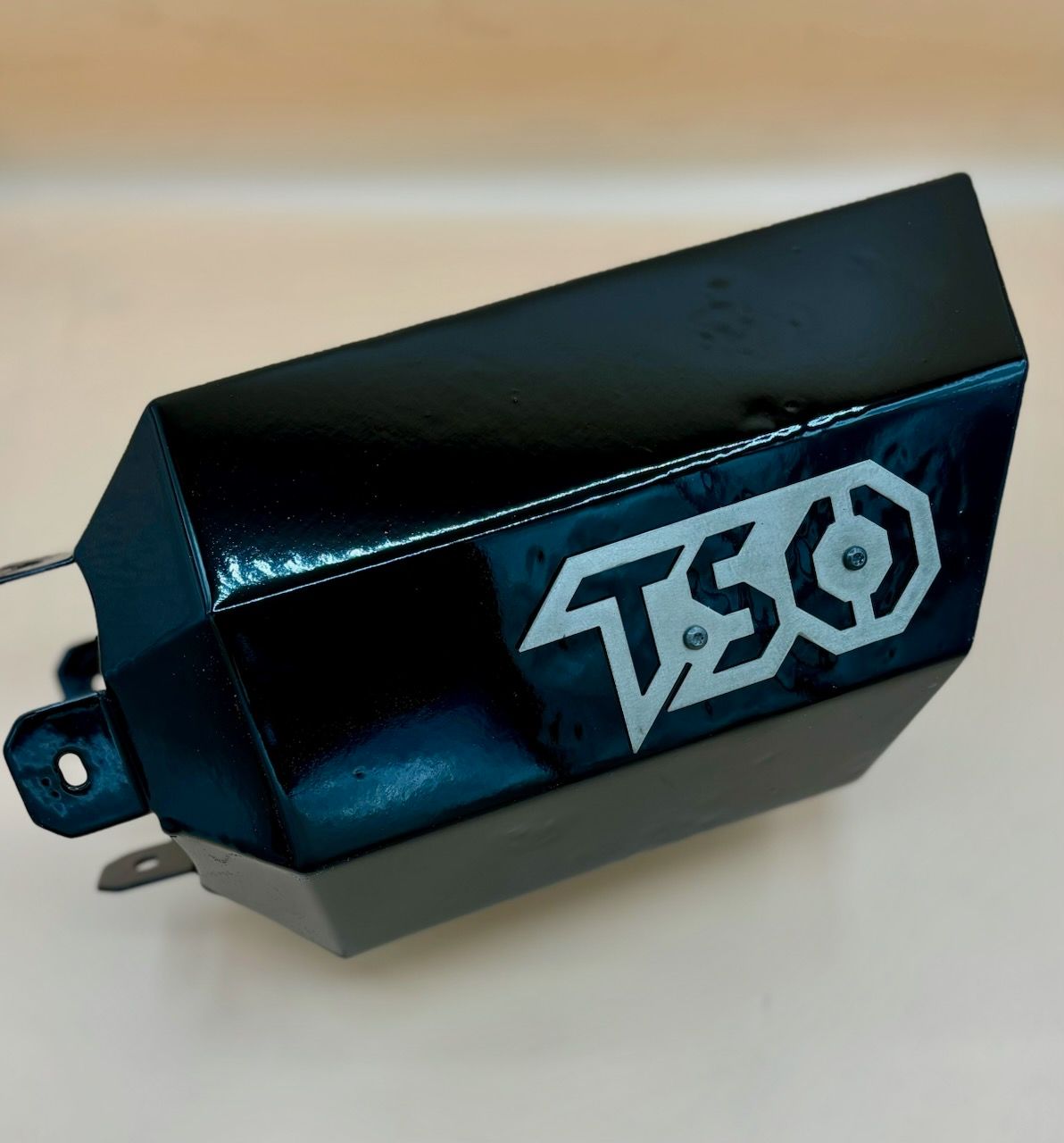
Restoration work at Iron Hide is not a process of painting over what is already there. Applying a new coating to a surface that still carries rust, failed adhesion, or contamination produces a finish that looks correct briefly and then fails from the original problem outward. The preparation sequence—stripping, blasting, cleaning, and profiling the metal—eliminates the condition that caused the original finish to fail, which is what makes the new coating last rather than repeat the same degradation cycle.
After restoration is complete, the finished piece looks and behaves like a component that has been properly refinished rather than patched. Color is consistent across the full surface, edges are coated cleanly rather than built up, and areas that previously showed active rust or coating failure are now protected under a bonded finish.
For outdoor pieces, automotive components, and equipment parts that live in working environments, that change is observable within the first season of use compared to a surface that was deteriorating before restoration.
The scope of restoration depends on the condition of the piece when it comes in. Surface rust that has not penetrated the base metal responds well to blasting and refinishing; deep pitting or structural corrosion may require assessment of whether the metal itself is still sound before a finish is applied. Iron Hide reviews each piece individually rather than applying a single process to every item, and that evaluation shapes what the restoration involves and what the finished result can reasonably be.
Questions Before Starting Your Restoration Project
The questions below address how metal restoration is assessed, what the preparation process involves, and what determines the approach taken on a given piece. They focus on the restoration work itself.
How does sandblasting preparation differ between a lightly rusted piece and one with heavy oxidation?
Light surface rust typically blasts clean quickly and leaves a consistent surface profile ready for coating, while heavy oxidation or pitting requires more aggressive media and longer dwell time to fully expose sound metal—and in some cases reveals deeper damage that changes what the restoration can accomplish.
What types of metal pieces are commonly brought in for restoration rather than replacement?
Automotive parts, outdoor railings, equipment components, metal furniture, decorative fabricated items, and custom pieces are frequent restoration candidates—items where the underlying metal is structurally sound but the protective finish has failed through age, use, or prolonged exposure.
Why does the type of existing coating affect how restoration is approached?
Old powder coat, conventional paint, and bare oxidized metal each respond differently to stripping and blasting—knowing what is on the surface helps determine which preparation method gets the metal to a clean, bondable profile without unnecessary steps or damage to the base metal.
How do customers choose between restoring the original color and selecting a new finish?
Customers who want to match original equipment colors can provide paint codes or reference pieces; those who want a different color or finish have the same options available as a new coating job—restoration through Iron Hide does not restrict the finish choice to whatever was originally applied.
What should a customer look for when deciding whether a metal piece is worth restoring?
The key question is whether the base metal is structurally intact—a railing or bracket that is sound underneath surface rust is a strong restoration candidate, while a piece where corrosion has compromised the metal thickness or structural integrity needs evaluation before refinishing makes sense.
Iron Hide handles metal restoration for automotive, agricultural, residential, and custom fabricated items throughout the Anamosa area. Send photos of your piece and a description of its current condition to start the conversation about what restoration involves and what the finished result will look like.