Precise Cuts Produced From Your Exact Specifications
Aluminum and metal laser cutting in Anamosa for custom parts, panels, and fabrication pieces requiring accurate, clean-edged results
Custom metal work stalls when a fabricator cannot produce a part that matches what the project actually requires. Iron Hide runs precision laser cutting for aluminum and other metal materials, working directly from customer-supplied designs, drawings, measurements, or project specifications to produce parts that fit the first time. Whether the need is a single one-off bracket or a set of panels for a larger build, the process begins with the design rather than a catalog selection.
Laser cutting produces edges that are clean and consistent across the full cut length without the burr and distortion that come from mechanical cutting methods. For detailed shapes—slots, curves, interior cutouts, or tight-tolerance profiles—the laser path follows the design file precisely, which means complex geometry that would be difficult or time-consuming to produce by hand comes off the table ready for the next fabrication step. Iron Hide can work from DXF files, hand drawings, or dimensional specifications depending on where the customer is in the design process.
Send project specifications or design details to Iron Hide to request a quote for your laser cutting work.
What Proper Laser Cutting Actually Requires
Accuracy in laser cutting depends on more than the machine itself. Material thickness, alloy type, and the specific geometry of the part all affect how the cut is set up and run. Aluminum, in particular, requires parameter adjustments relative to mild steel because of its reflectivity and thermal conductivity—settings that work well on one material can produce edge quality problems on another. Getting that right before the first piece is cut avoids wasted material and parts that require secondary cleanup.
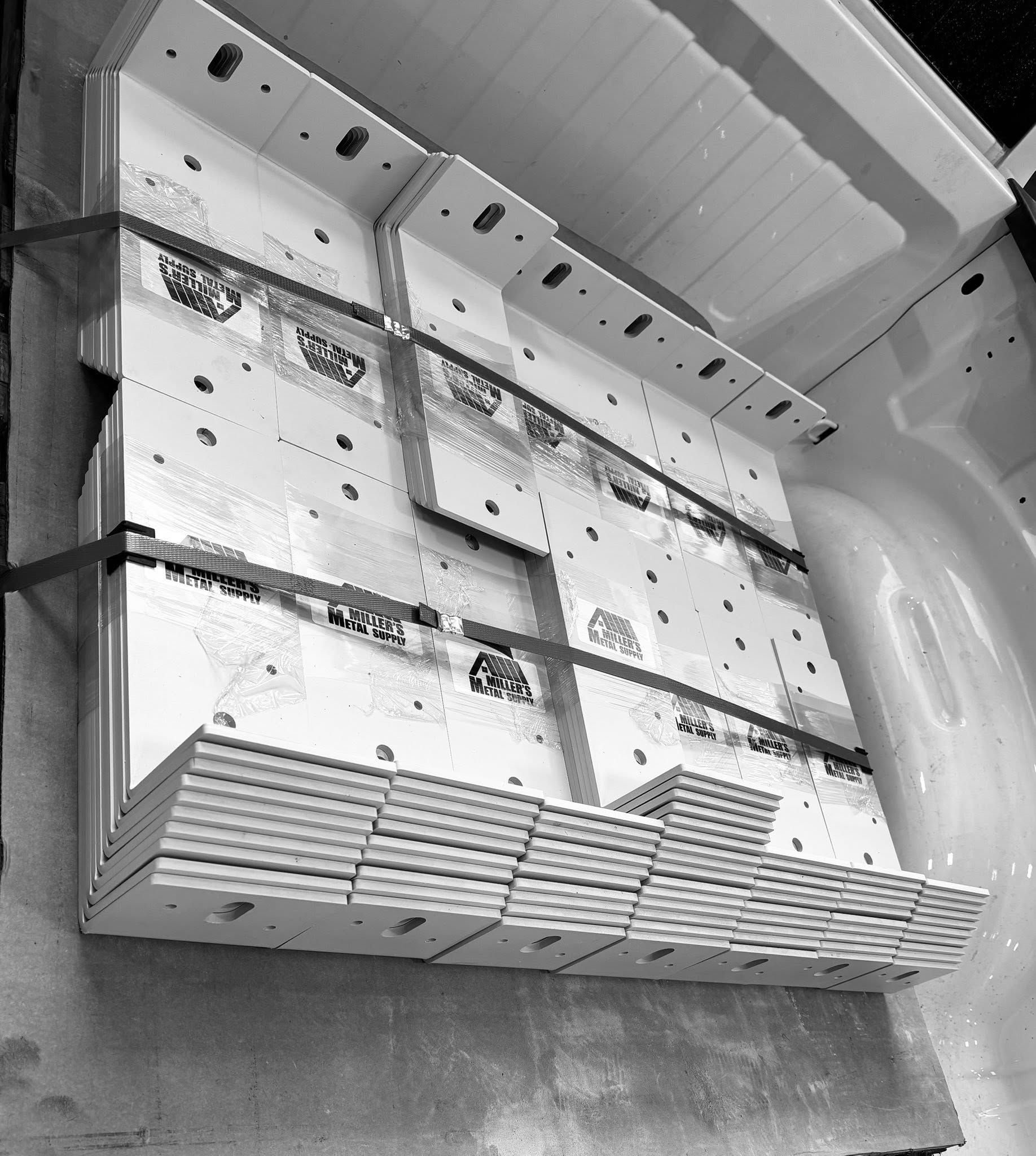
Finished laser-cut pieces come back with smooth edges, consistent dimensional accuracy, and details that match the original design intent. For parts destined for powder coating or another finishing step, clean laser-cut edges bond and coat more evenly than mechanically cut equivalents, which reduces finishing problems downstream.
Iron Hide's in-house capability for both cutting and coating means a part can move from raw material through finished surface without leaving the shop. Parts that will be welded, bent, or assembled after cutting benefit from design review before the file goes to the laser—features like bend relief slots, weld access gaps, or hardware clearances are easier to incorporate before cutting than to add afterward. Customers who are early in their design process can discuss those considerations as part of the quoting conversation.
What to Know Before Submitting a Cutting Project
The questions below cover what affects cut quality, how to prepare files and specifications, and what to expect from the finished pieces. They address the cutting process specifically, not general business information.
What file formats or design inputs does laser cutting require?
Iron Hide can work from DXF files, dimensioned drawings, or detailed measurements—customers who do not have a digital design file can provide physical samples or hand-drawn specifications to start the conversation.
How does material thickness affect laser-cut edge quality?
Thicker material requires slower cut speeds and adjusted parameters to maintain clean edges and prevent taper; for very thick stock, the edge at the bottom of the cut may show slight variation compared to the top, which matters for parts where both faces will be visible.
Why does aluminum behave differently from steel during laser cutting?
Aluminum's high reflectivity and thermal conductivity mean it draws heat away from the cut zone faster than steel, requiring specific laser settings and assist gas choices to maintain edge quality and avoid melting or recast material along the kerf.
When should bend relief cuts be incorporated into a laser-cut design?
Bend reliefs should be included in the design before cutting whenever a part will be folded at a laser-cut edge—without them, the material tends to tear or distort at the corner rather than bending cleanly along the intended line.
How do laser-cut parts from Anamosa-area fabrication shops typically move into finishing?
Parts cut at Iron Hide can move directly into powder coating or other in-house finishing steps, which eliminates handling and transport steps that can introduce edge damage or contamination before the surface is prepared.
Iron Hide handles laser cutting projects of varying complexity, from single custom pieces to multi-part fabrication runs. Send your design files, drawings, or project details to discuss specifications and get a quote started.